February 18, 2026
Mark Fischbach grossed $21.7 million in a single weekend with a self-distributed horror film playing on over 4,000 screens. No studio. No distributor. No traditional marketing spend.
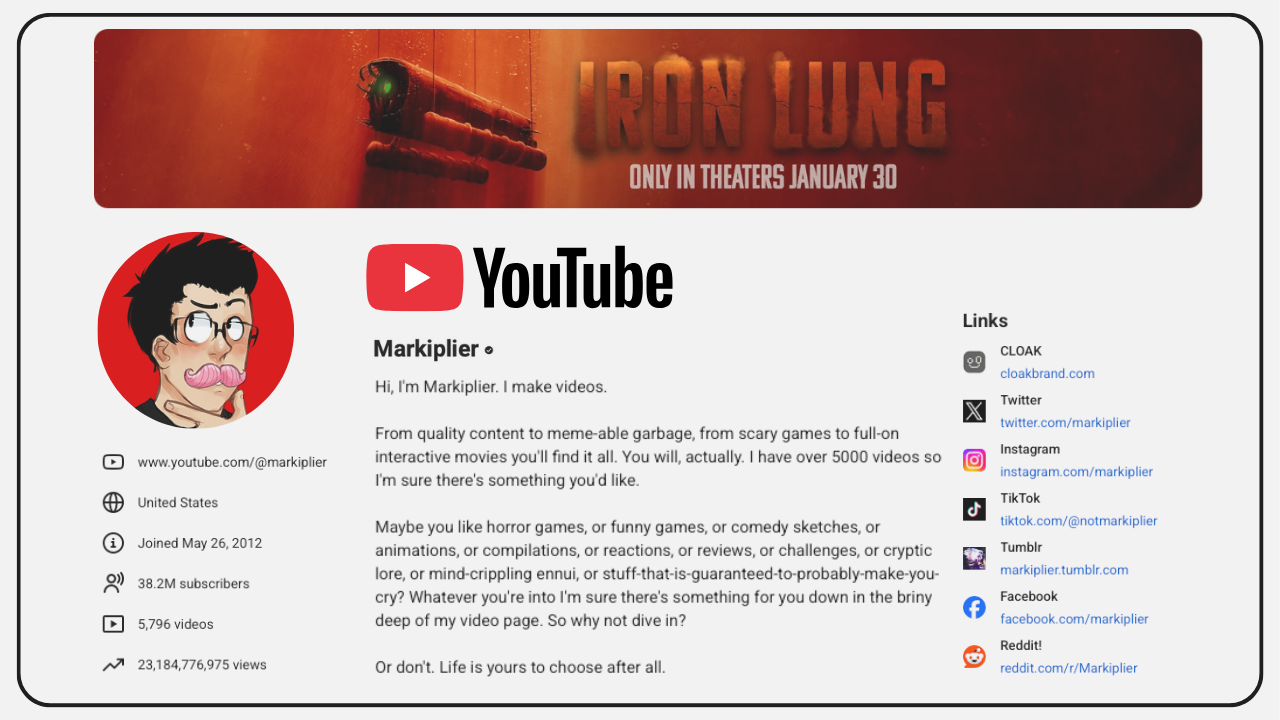
The January 2026 theatrical release of Iron Lung offers one of the clearest case studies to date of how creator-driven production and distribution can bypass traditional studio infrastructure while achieving commercial outcomes that rival—and occasionally outperform—major releases. Mark Fischbach, known online as Markiplier, self-financed, wrote, directed, and starred in this $3 million horror adaptation of David Szymanski’s 2022 indie video game. The film recouped its entire production budget during Thursday preview screenings alone, ultimately generating seven times its cost in opening weekend revenue without a single dollar spent on traditional marketing.
For practitioners working at the intersection of creative industries and economic development, the Iron Lung case illuminates emerging patterns in talent migration, production economics, and distribution channel disruption that carry implications well beyond a single film’s performance.
The Economics of Direct-to-Audience Distribution
Traditional theatrical distribution operates through established hierarchies: studios or distributors negotiate with exhibition chains, who book films based on marketing budgets, projected performance, and existing relationship obligations. Self-distributed independent films without studio backing have historically been confined to limited festival runs or direct-to-streaming releases.
Iron Lung disrupted this model through a combination of grassroots audience mobilization and unconventional exhibitor partnerships. When Fischbach initially approached Centurion Film Service—a company specializing in independent theatrical bookings—the veteran film buyer suggested opening on three screens to test audience response. Fischbach’s counteroffer: his 38-million-subscriber YouTube audience represented measurable, demonstrable demand that warranted broader initial distribution.
The expansion timeline illustrates how creator audiences can substitute for traditional marketing infrastructure. Initial projection called for 50-100 independent theaters. One week after trailer launch, bookings reached 600 theaters. By opening day, the film secured 4,164 screens worldwide, including bookings from AMC, Cinemark, and Regal.
This trajectory followed Fischbach’s decision to post a simple call to action alongside his trailer: fans could request Iron Lung at their local theaters. The response—coordinated through Reddit communities, social media channels, and direct theater outreach—created demand signals that major exhibition chains could not ignore, despite the film lacking traditional distributor relationships.
Revenue Sharing as Competitive Advantage
Perhaps more significant than the screen count was the deal structure. Standard theatrical distribution operates on sliding-scale agreements where studios typically retain 60% of box office revenue in opening weeks. Fischbach instead proposed a flat 50/50 split from day one.
This approach served multiple strategic functions. For exhibitors facing increasingly punitive studio terms and shrinking margins, the transparent partnership model offered genuine upside participation rather than the extractive relationships that have characterized major studio dealings. For Fischbach, the more favorable exhibitor terms likely contributed to booking momentum—theater operators were incentivized to champion a film that offered equitable economics rather than merely fulfilling contractual obligations.
The result: $17.8 million domestic opening weekend from 3,015 US theaters, placing Iron Lung at #2 behind Disney’s Sam Raimi-directed Send Help. The film outperformed Amazon MGM’s Melania documentary and held strong against ongoing runs of Zootopia 2 and Avatar: Fire and Ash. As of this writing, the film has reached $44 million in worldwide gross.
What Makes This Model Work—and Where It Breaks Down
CVL’s analysis of the Iron Lung case identifies several replicable elements alongside significant barriers to broader adoption:
- Transferable strategies include proof-of-concept audience building (years of content creation demonstrating market demand before production begins), strategic budget calibration (large enough for professional production values, small enough to remain personally financeable), revenue transparency that aligns exhibitor incentives, and grassroots mobilization frameworks that deputize audiences as distribution partners.
- Non-transferable factors present more substantial constraints. Fischbach’s 38 million YouTube subscribers represent a distribution network most filmmakers cannot access. His reported $38 million annual earnings enabled self-financing unavailable to typical creators. Thirteen years of consistent video production developed technical competencies and industry relationships—SAG-AFTRA familiarity, access to Troublemaker Studios, connections to specialized booking services—that cannot be assembled quickly.
The case also reveals important questions about theatrical sustainability. Many exhibitors booked Iron Lung for only opening weekend, with continuation decisions contingent on performance. The front-loaded business model—where the core fanbase represents the primary audience rather than expanding word-of-mouth—creates uncertainty about whether creator-driven films can sustain runs beyond initial audience mobilization.
Broader Implications for Creative Economy Development
Iron Lung’s success arrives amid ongoing structural shifts in entertainment production and talent deployment. As creator economies mature and digital creators accumulate wealth, technical expertise, and audience relationships comparable to traditional studios, the gatekeeping functions previously monopolized by major production and distribution entities become increasingly contestable.
For regions and municipalities developing creative economy strategies, this case suggests several considerations:
- Production infrastructure matters differently than before. Fischbach filmed at Troublemaker Studios in Austin—Robert Rodriguez’s facility specializing in self-contained independent productions with in-house VFX, practical effects, and costume capabilities. The studio’s model, designed around independent creator needs rather than major studio workflows, may represent an emerging production facility archetype worth studying for jurisdictions investing in film infrastructure.
- Creator retention strategies require distinct approaches. High-earning digital creators with established audiences can self-finance production without traditional studio relationships. Economic development strategies focused on attracting studio productions may miss opportunities to cultivate these creator-entrepreneurs, who bring both production activity and built-in audience reach.
- Distribution disruption creates exhibition opportunities. Independent and regional theater operators willing to book creator-driven content on favorable terms may find competitive advantages as more high-profile creators experiment with self-distribution models. Early indicators—including other creator-driven projects currently in development—suggest Iron Lung may represent the beginning of a trend rather than an isolated anomaly.

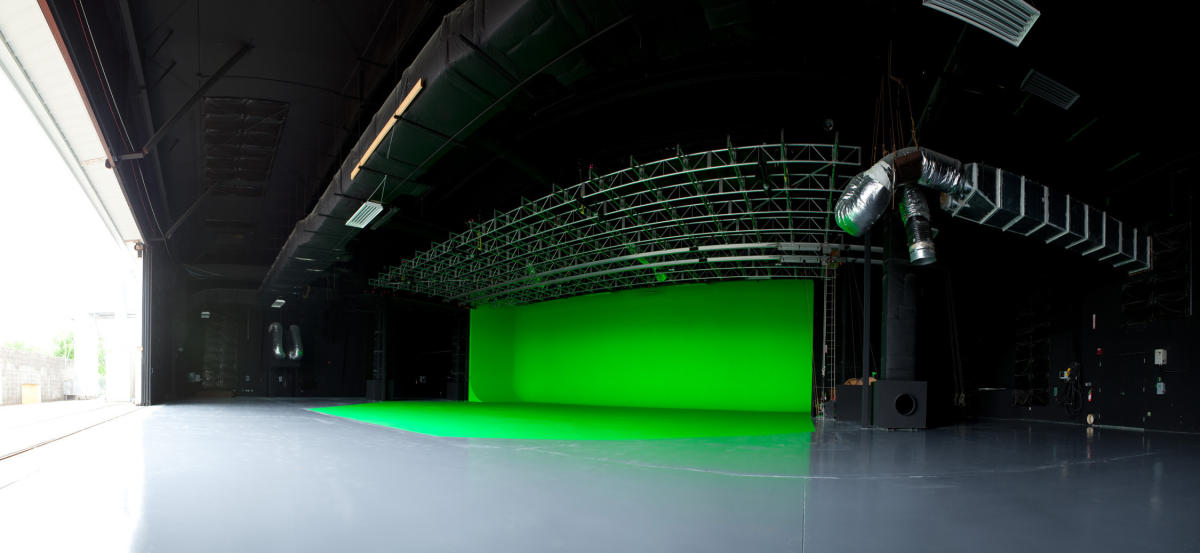
Photos Courtesy of Visit Austin.
Looking Forward
Whether Iron Lung’s distribution model proves replicable at scale will become clearer as other high-profile creators attempt similar theatrical ventures. What the case establishes definitively is that alternative pathways to theatrical success exist for creators who can assume financial risk, maintain authentic audience relationships, and approach exhibitor partnerships as genuine collaborations rather than transactional necessities.
The film’s $21.7 million opening weekend—achieved without studio backing, traditional marketing expenditure, or established distribution infrastructure—permanently expands the definition of what independent production can accomplish when creative talent controls both production and distribution. For economic development practitioners, entertainment industry stakeholders, and policymakers shaping creative economy strategies, the structural implications deserve careful attention.
CVL Economics provides strategic research and analysis for creative economy stakeholders navigating industry transitions. Our Talent Innovation and Media & Entertainment practices support clients in understanding emerging production models, talent migration patterns, and distribution channel evolution. Contact our team to discuss how these trends may affect your market or organization.
RELATED CONTENT